Commercial · 7 min read
Choosing commercial window film — and thinking clearly about ROI
Last revised October 26, 2026 · Published by Shore Tint & More, a 3M Authorized Window Film Dealer. Editorial disclosure
Define the problem first
- Comfort complaints in specific zones (west-facing offices, atriums, classrooms).
- Glare on screens, whiteboards or nurse stations.
- Fading of merchandise or finishes.
- HVAC zones that can't keep up on sunny afternoons.
- Appearance goals — matching or updating a facade.
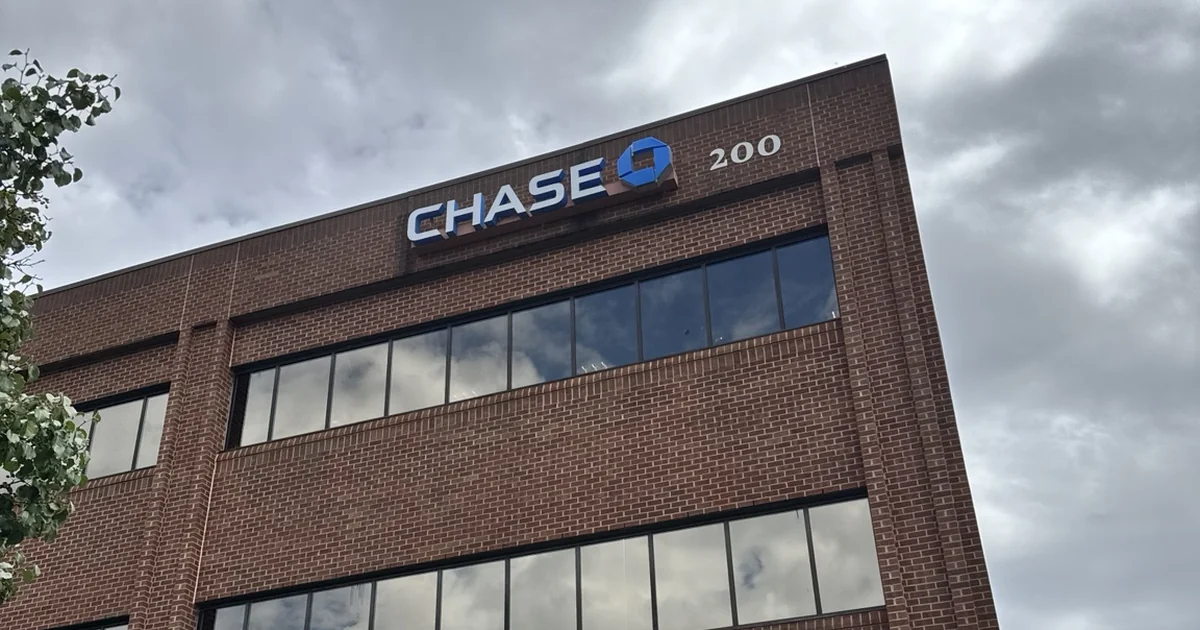
Actual Shore Tint & More installation — JPMorgan Chase · multiple locations; Commercial window film · multi-site work.
View source case study ↗ — JPMorgan Chase · multiple locationsAn honest ROI conversation
Energy savings from film depend on climate, glass, orientation, HVAC system, utility rates and occupancy. Credible estimates come from energy modeling (some manufacturers and consultants offer it) or before/after measurements. We don't publish generic savings percentages, and you should be skeptical of any proposal that does without your building's data.
Many owners justify film on comfort and productivity, glare complaints or tenant satisfaction rather than energy alone. That's a legitimate case — just make it explicit.
Selection checklist
- Exterior appearance and any landlord, HOA or historic review constraints.
- Glass types and thermal stress guidance for each elevation.
- Interior vs exterior application (exterior films are used where interior access is impractical).
- Warranty terms for commercial use, including any glass coverage.
- Mock-up or sample panel approval before full installation.
Sources & further reading
Product descriptions are summarized from manufacturer materials. We don't reproduce performance figures; request the current data sheet for any product you're quoted.